In short:
- Water mitigation stops active water damage and prevents mold or structural issues before full repairs begin.
- Look for 24/7 response, moisture detection equipment, and direct insurance coordination when vetting providers.
- Fast action within the first 24-48 hours significantly reduces long-term damage and restoration costs.
Homeowners searching for help after a pipe burst, roof leak, or flooding need a provider that responds quickly and stops water from spreading into walls, flooring, and insulation. The right choice limits damage, shortens drying time, and reduces the chance of mold growth taking hold in the days that follow.
Choosing among the available water mitigation companies in Federal Way WA means comparing response speed, equipment quality, and how clearly a company documents the drying process for insurance purposes. Not every provider offers the same level of moisture tracking or structural drying, and those gaps can show up later as hidden damage or recurring mold.
What Water Mitigation Actually Involves
Water mitigation is the emergency phase that happens before full restoration. It focuses on removing standing water, drying out structural materials, and preventing secondary damage like warping, rot, or microbial growth.
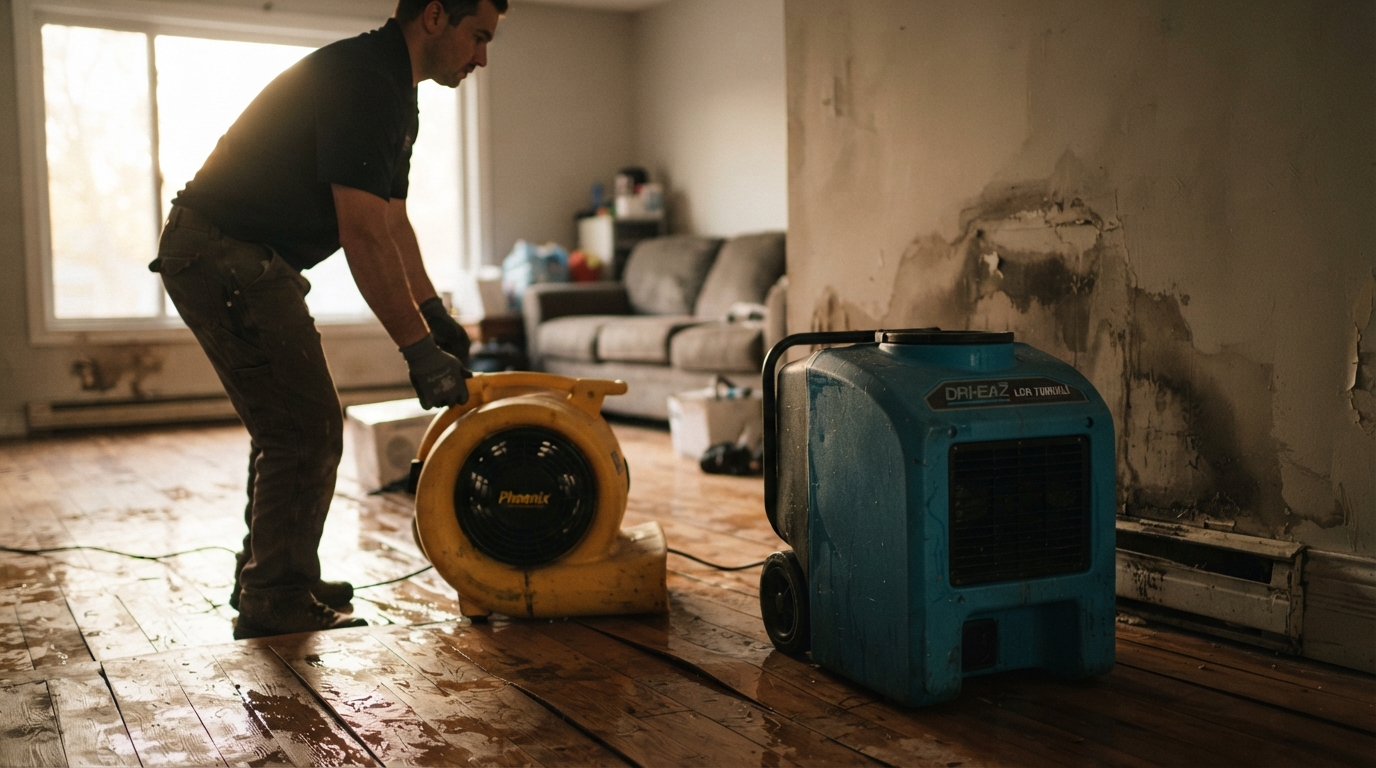
A typical mitigation response includes:
- Water extraction using pumps and wet vacuums
- Moisture mapping with thermal imaging or hygrometers
- Placement of air movers and dehumidifiers
- Removal of unsalvageable materials such as soaked drywall or carpet padding
- Antimicrobial treatment on affected surfaces
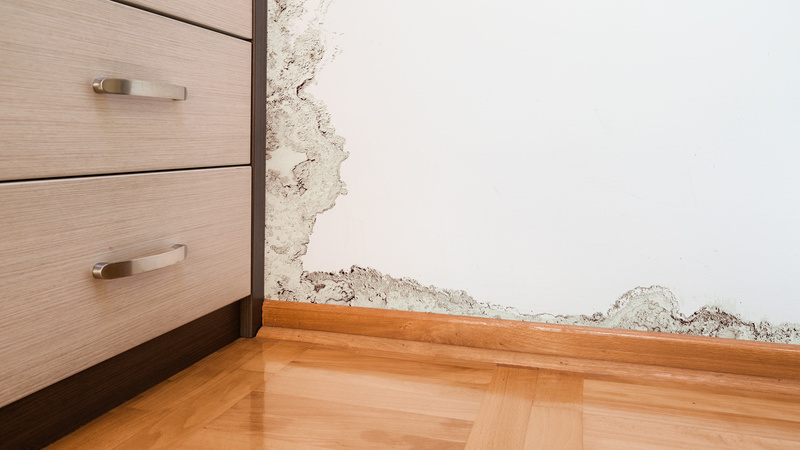
The goal is to stabilize the property fast enough that drying begins before mold spores have the moisture and time they need to establish colonies.
Why Response Time Changes the Outcome
Materials that stay wet longer absorb more water and become harder to dry completely. The timeline between water exposure and mold risk is well documented by building science researchers.
According to EPA mold guidance, mold can begin growing on damp materials within 24 to 48 hours under the right conditions. This narrow window is why same-day or emergency response matters more in water damage situations than in almost any other home service category.
Delays of even one day can mean the difference between drying in place and replacing flooring or drywall entirely.
Comparing What to Look For in a Provider
|
Factor |
Why It Matters |
What to Ask |
|
Response availability |
Faster arrival limits material saturation |
Is emergency service offered 24/7 |
|
Moisture documentation |
Needed for insurance claims and verifying dryness |
Do you provide moisture logs and photos |
|
Equipment on hand |
Determines how much area can be dried at once |
How many air movers and dehumidifiers are deployed per job |
|
Insurance coordination |
Reduces paperwork burden on the homeowner |
Do you work directly with adjusters |
These four factors cover most of what separates a thorough mitigation job from one that leaves hidden moisture behind walls or under flooring.
Local Service Coverage in Federal Way
Pacific Northwest Restoration LLC provides water damage mitigation services to homeowners and property managers in the Federal Way area, based on services listed on its Google Business Profile. The region’s wet winters and frequent heavy rainfall mean burst pipes, roof leaks, and groundwater intrusion are common triggers for mitigation calls.
Property owners in this area benefit from working with a provider familiar with local building types, from older single-family homes to multi-unit properties, since construction materials and layout affect how water spreads and how long drying takes.
Questions to Ask Before Hiring
A short phone screening before committing to a provider can reveal a lot about how a company operates.
1. How quickly can a technician arrive after the initial call
2. What equipment will be used to track moisture levels during drying
3. Will documentation be provided that an insurance adjuster can review
4. Is the drying process monitored daily until target moisture levels are reached
Clear, specific answers to these questions are a stronger signal of reliability than marketing claims alone.
Frequently Asked Questions
How long does water mitigation typically take? Drying time depends on the extent of saturation and the materials involved, but most mitigation phases run from three to five days with daily moisture monitoring.
Is water mitigation covered by homeowners insurance? Many policies cover sudden water damage events such as burst pipes, though coverage varies by policy and cause of loss, so confirming details with the insurer is recommended.
What is the difference between mitigation and restoration? Mitigation stops the damage and dries the structure, while restoration rebuilds or repairs materials that were removed or damaged, such as drywall, flooring, or cabinetry.
Can I wait a day before calling for help? Waiting increases the risk of secondary damage like mold growth and material deterioration, so contacting a provider as soon as water is discovered is strongly advised.
Water damage situations rarely wait for a convenient time, and the speed of the initial response often determines how much of a home or building can be saved versus replaced. Property owners who understand what a thorough mitigation process looks like are better equipped to ask the right questions and avoid providers who cut corners on drying and documentation. For those in the Federal Way area, Pacific Northwest Restoration LLC is listed as a local provider offering water damage mitigation services suited to the region’s common causes of water intrusion.
Adelaida Abrams
Adelaida Abrams is a seasoned writer with a passion for sharing knowledge in the realm of home improvement. With years of experience crafting informative articles and engaging blogs she has established herself as a trusted voice in the industry. Adelaida's expertise lies in distilling complex concepts into accessible content, making her work invaluable to readers seeking practical advice and inspiration for their home projects. Her articles cover a wide range of topics within the home improvement sphere, including DIY tips, renovation guides, interior design trends, and sustainable living practices. Adelaida's writing is characterized by its clarity, thorough research, and practical insights, making it a go-to resource for homeowners, contractors, and enthusiasts alike. Beyond her writing prowess, Adelaida maintains a deep commitment to staying updated on the latest developments and innovations in home improvement, ensuring that her content remains relevant and informative. Whether you're looking to spruce up your space or embark on a major renovation project, Adelaida Abrams is your trusted guide in the journey toward creating the home of your dreams.