Quick summary:
- Wood sliding windows need annual inspection, seasonal cleaning, and prompt sealant touch-ups to prevent moisture damage and warping.
- Moisture control is the single biggest factor in wood window longevity, according to federal preservation guidance.
- Regional climate (humidity, coastal salt air, UV exposure) determines how often refinishing and weatherproofing should happen.
Homeowners get the longest life from a Wood Sliding Window by controlling moisture, refreshing protective finishes on schedule, and catching small cracks or gaps before they widen. These three habits address the root causes of wood decay: water intrusion, sun exposure, and neglected hardware.
Wood sliding windows remain popular because of their insulating performance and classic look. As one manufacturer notes, wood outperforms other construction materials like vinyl and aluminum, providing 400 times more insulation than steel and over 1,800 times more than aluminum windows. That efficiency only holds up over time if the wood itself is properly cared for, which is why maintenance routines matter as much as the initial installation.
Why Moisture Control Comes First
Every credible source on wood window care circles back to one culprit behind deterioration.
The National Park Service’s Technical Preservation Services identifies this clearly: many factors such as poor design, moisture, vandalism, insect attack, and lack of maintenance can contribute to window deterioration, but moisture is the primary contributing factor in wooden window decay. Homeowners can act on this by following a few practical steps:
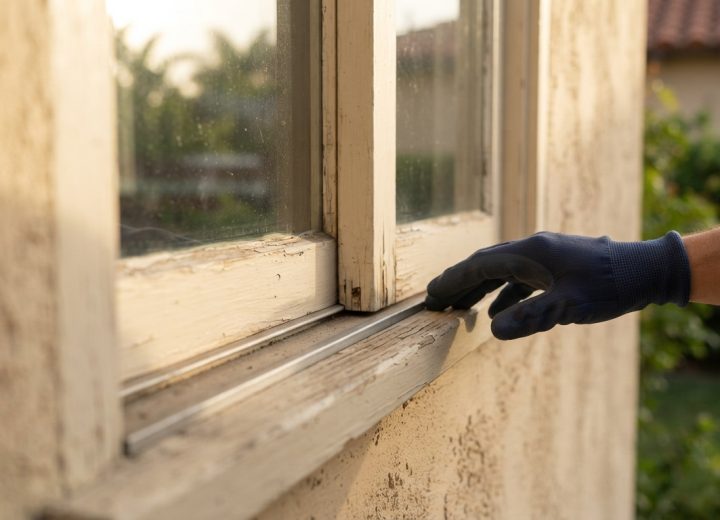
- Inspect frame joints and seams each spring and fall for gaps that let water in.
- Reapply caulk wherever seals have cracked or pulled away from the wood.
- Check the NPS wooden window preservation brief guidance on sealing joints if you notice recurring water stains near the sill.
According to the same federal brief, all window units should be inspected to see if water is entering around the edges of the frame, and if so, the joints or seams should be caulked, while glazing putty should be checked for cracked, loose, or missing sections that allow water to saturate the wood. Catching these issues during a routine walk-around is far less costly than repairing rotted sash components later.
Seasonal Cleaning and Finish Care
Consistent cleaning protects the finish that shields wood from sun and rain. Industry guidance on timber window care recommends a straightforward routine:
1. Wash sash and frame surfaces with water and a mild detergent rather than harsh chemicals or abrasives.
2. Use a dry brush to remove dust before it traps moisture against the wood grain.
3. Inspect coatings at least once a year, paying closer attention to horizontal surfaces exposed to weather.
As one timber window maintenance guide explains, wooden surfaces should be inspected at least once a year, paying close attention to horizontal windows and surfaces exposed to atmospheric influences, since high humidity can lead to mold, greyish spots, and rotting fungi. This is especially relevant in humid regions where sliding tracks and sills sit exposed to rain runoff.
Sunlight causes its own separate damage, breaking down protective coatings over time. That same source notes wooden surfaces require protective coatings to combat damage from sunlight, moisture, and temperature fluctuations, since UV rays can degrade timber windows. Renewing varnish or paint on a set schedule, rather than waiting for visible peeling, keeps the wood protected before damage starts.
Repair Priorities by Severity
Not every issue calls for the same response. Matching the repair to the damage level avoids both under-treating serious rot and overspending on cosmetic wear.
| Damage Level | Typical Sign | Recommended Action |
| Minor | Small scratches, hairline cracks in finish | Sand lightly, apply touch-up wax or coating |
| Moderate | Peeling paint, loose glazing putty | Strip affected area, re-caulk, repaint or revarnish |
| Major | Soft or spongy wood, visible rot | Consult a specialist for sash or frame repair |
For minor wear, a timber maintenance guide suggests homeowners can often use fine sandpaper, wax, and coatings to repair the affected areas themselves. Major structural damage, by contrast, is best left to a professional who can assess whether the sash or full frame needs attention.
Regional Climate Considerations
Climate shapes how often maintenance is needed. Homes in coastal or high-rainfall areas face faster wear on exterior finishes than those in drier inland climates, so inspection frequency should adjust accordingly. Wood sliding windows are often chosen specifically because they hold up well across varied conditions when properly finished, since wooden sliding windows withstand the elements with ease in coastal regions, areas with high rainfall, or locations with high humidity. Texas homeowners dealing with intense summer sun and periodic heavy rain should treat both UV protection and drainage checks as year-round priorities rather than one-time tasks.
Frequently Asked Questions
How often should wood sliding windows be resealed or repainted? Most homeowners should inspect finishes annually and plan to refresh caulk, paint, or varnish every few years, sooner in humid or high-UV climates where coatings break down faster.
Can I clean wood sliding windows with regular household cleaners? Stick to mild detergent and water. Harsh chemicals and abrasive pads can strip protective finishes and expose bare wood to moisture damage.
What is the first sign that a wood sliding window needs professional repair? Soft, spongy wood or visible rot at the sill or frame joints signals damage beyond a simple touch-up and should be evaluated by a specialist promptly.
Do wood sliding windows really last longer than vinyl or aluminum? With proper finishing and upkeep, wood can remain durable for decades; its performance depends heavily on consistent maintenance rather than the material alone.
Routine care is what separates a wood sliding window that lasts for decades from one that needs early replacement. Homeowners who inspect seals, manage moisture, and address small repairs promptly protect both the window’s appearance and its energy performance. For Austin homeowners weighing custom wood sliding window options or looking for guidance on care and installation, Portella Steel Doors & Windows – Austin offers locally crafted wood window solutions built for Central Texas conditions.
Adelaida Abrams
Adelaida Abrams is a seasoned writer with a passion for sharing knowledge in the realm of home improvement. With years of experience crafting informative articles and engaging blogs she has established herself as a trusted voice in the industry. Adelaida's expertise lies in distilling complex concepts into accessible content, making her work invaluable to readers seeking practical advice and inspiration for their home projects. Her articles cover a wide range of topics within the home improvement sphere, including DIY tips, renovation guides, interior design trends, and sustainable living practices. Adelaida's writing is characterized by its clarity, thorough research, and practical insights, making it a go-to resource for homeowners, contractors, and enthusiasts alike. Beyond her writing prowess, Adelaida maintains a deep commitment to staying updated on the latest developments and innovations in home improvement, ensuring that her content remains relevant and informative. Whether you're looking to spruce up your space or embark on a major renovation project, Adelaida Abrams is your trusted guide in the journey toward creating the home of your dreams.