Simply put:
• Asphalt shingles remain the most common and budget-friendly choice, while metal roofing offers a longer lifespan at a higher upfront cost.
• Material choice should account for Iowa’s freeze-thaw cycles, wind exposure, and long-term maintenance needs.
• A professional inspection helps homeowners match materials to their home’s structure, budget, and energy goals.
The best roofing material for a Quad Cities home depends on budget, roof pitch, and how long you plan to stay in the house, with asphalt shingles suited to cost-conscious homeowners and metal or composite options better for long-term durability. Comparing these trade-offs before signing a contract prevents costly surprises later.
A Roof Replacement Quad Cities IA project typically starts with an inspection to assess the current roof’s condition, followed by a material recommendation based on the home’s slope, ventilation, and exposure to wind or hail. Eastern Iowa’s seasonal swings, from humid summers to icy winters, make material selection a bigger factor in long-term performance than in milder climates.
Comparing the Most Common Roofing Materials
Homeowners weighing a full roof replacement generally choose between three material categories: asphalt shingles, metal panels, and composite or architectural shingles. Each performs differently under freeze-thaw stress, wind load, and sun exposure common to the Midwest.
• Asphalt shingles : The most widely installed option nationally, valued for lower upfront cost and straightforward repairs.
• Metal roofing : Chosen for longevity and resistance to wind and impact damage, though installation requires specialized labor.
• Composite/architectural shingles : A middle-tier option blending asphalt with fiberglass or recycled materials for added strength.
Composite shingles also contain asphalt, along with fiberglass and recycled materials, for added strength, and are often designed to look like wood or other materials, lasting up to 50 years. This makes them a practical middle ground for homeowners who want more durability than standard three-tab shingles without the full cost jump to metal.
Material Comparison Table
| Material | Typical Lifespan | Relative Cost | Best For |
| Asphalt shingles | 15 to 30 years | Lowest upfront cost | Budget-conscious homeowners, shorter ownership horizon |
| Metal roofing | 40 to 70 years | Highest upfront cost | Long-term homeowners, high-wind or hail-prone areas |
| Composite/architectural shingles | Up to 50 years | Mid-range | Homeowners wanting durability without full metal cost |
Asphalt shingle roof replacement costs $5,800 to $12,200 on average, while metal roofing can cost twice as much or more, according to This Old House. Pricing varies based on roof size, pitch, and the number of layers being removed during tear-off.
Climate and Durability Considerations for Eastern Iowa
Quad Cities weather patterns include heavy snow load, spring storms, and temperature swings that stress roofing materials differently than in warmer regions. Pooling water and climates with heavy rain or long-lasting ice can lead to cracks and algae or fungus growth, and asphalt shingles also experience cracking in climates with drastically different day versus night temperatures, which shortens their lifespan.
Metal roofing tends to perform better against these seasonal stresses. Metal excels in wind, hail, fire, and snow shedding, while Class 4 impact-rated shingles narrow the gap in many climates. Homeowners should also weigh resale considerations. According to the Journal of Light Construction’s 2025 Cost vs. Value Report, an asphalt shingle roof replacement has a higher resale value (68%) than a metal roof replacement (50%).
For general guidance on roof maintenance and moisture management in variable climates, the U.S. Department of Energy’s home roofing resources offer additional context on how material choice affects energy performance year-round.
Matching Material to Your Home’s Needs
Selecting a roofing material is not purely about upfront price. Homeowners should weigh:
1. Roof pitch and structure – steeper roofs may limit certain metal panel installations and raise labor costs.
2. Length of homeownership – shorter timelines often favor asphalt; longer ownership can justify metal’s higher cost.
3. Energy goals – reflective or cool-roof materials can reduce cooling loads in summer months.
4. HOA or neighborhood guidelines – some communities restrict certain metal roofing styles.
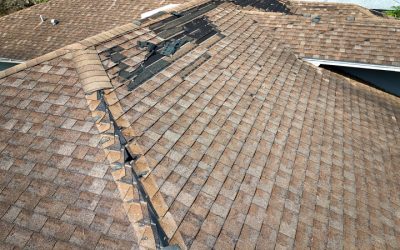
If you notice missing shingles, leaks, sagging, or increasing energy bills, it is time to consult roofing experts, since addressing these issues early can prevent more costly structural repairs down the line. A professional inspection remains the most reliable way to confirm which material fits both the home’s structure and the homeowner’s budget.
Frequently Asked Questions
How long does a typical roof replacement take? Timelines vary by roof size, material, and weather, but most residential replacements are completed within one to a few days once materials and crews are scheduled.
Is metal roofing worth the higher cost in Iowa? It depends on how long you plan to stay in the home. Metal roofs last 40 to 80 years while asphalt shingle roofs last 20 to 30, meaning choosing asphalt often means budgeting for eventual replacement two or three times over the life of one metal roof.
Can I install a new roof over my existing shingles? Local building codes and the extent of existing damage typically determine whether a layover is allowed or a full tear-off is required; a contractor inspection will confirm which approach applies to your home.
What signs indicate I need a roof replacement rather than a repair? Missing or curling shingles, granule loss, sagging decking, and rising energy bills are common indicators that repair may no longer be cost-effective compared to full replacement.
Choosing a roofing material is ultimately a balance of upfront budget, long-term maintenance, and how the roof will perform through Iowa’s changing seasons. Homeowners considering a full replacement benefit from a professional assessment that accounts for structure, climate exposure, and resale goals before committing to a product. For homeowners in the region ready to compare options in person, Window Depot USA of Eastern Iowa & Quad Cities provides local roofing consultations to help match material choices to each home’s specific needs.